

FOUR LOCATIONS ONE EXPERIENCED TEAM
Hair transplantation has evolved significantly over the past two decades, offering patients more natural, effective, and minimally invasive solutions for hair loss. Among the most widely used techniques today are Follicular Unit Extraction (FUE) and Follicular Unit Transplantation (FUT). While both methods can produce successful results, FUE is increasingly regarded as the superior choice for most patients.
Here’s why FUE has become the gold standard in modern hair restoration.
1. Minimally Invasive with No Linear Scarring
One of the most significant advantages of FUE is that it does not require the removal of a strip of scalp. Instead, hair follicles are individually extracted using micro-punch tools, leaving tiny, dot-like scars that are nearly invisible—even with short hairstyles.
By contrast, FUT involves removing a strip of scalp from the donor area (usually the back of the head), which leaves a linear scar. This scar can be noticeable, especially for patients who prefer shorter haircuts or are prone to poor scar healing.
2. Faster Recovery and Less Discomfort
Since FUE is less invasive, patients experience faster healing and less post-operative discomfort compared to FUT. There are no stitches or staples required, and the risk of complications such as nerve damage or prolonged numbness is significantly lower.
Most FUE patients return to normal activities within a few days, while FUT patients often need a longer recovery period due to the sutures and more invasive nature of the procedure.
3. More Natural Hairline and Density Control
FUE allows for greater precision in graft placement, enabling surgeons to meticulously design natural-looking hairlines and distribute follicles with improved density control. The flexibility of FUE enables practitioners to extract grafts from multiple donor areas—such as the beard or chest—for enhanced results in certain cases.
FUT is more limited in this regard because it relies solely on the strip method and often involves grafts from a smaller donor region.
4. Ideal for Patients with Tight Scalps or Limited Donor Area
Some patients are not good candidates for FUT due to tight scalp skin or a limited donor supply. FUE’s individual graft harvesting method allows for more strategic extraction and can be performed even in patients who might be disqualified from FUT procedures.
5. Less Risk of Visible Scarring in Future Hair Loss
Hair loss is often progressive. If a FUT patient experiences future hair thinning around or above the linear scar, the scar may become visible over time. FUE scars, being microscopic and spread out, are far less noticeable in such scenarios, offering long-term aesthetic advantages.
6. Greater Patient Comfort and Confidence
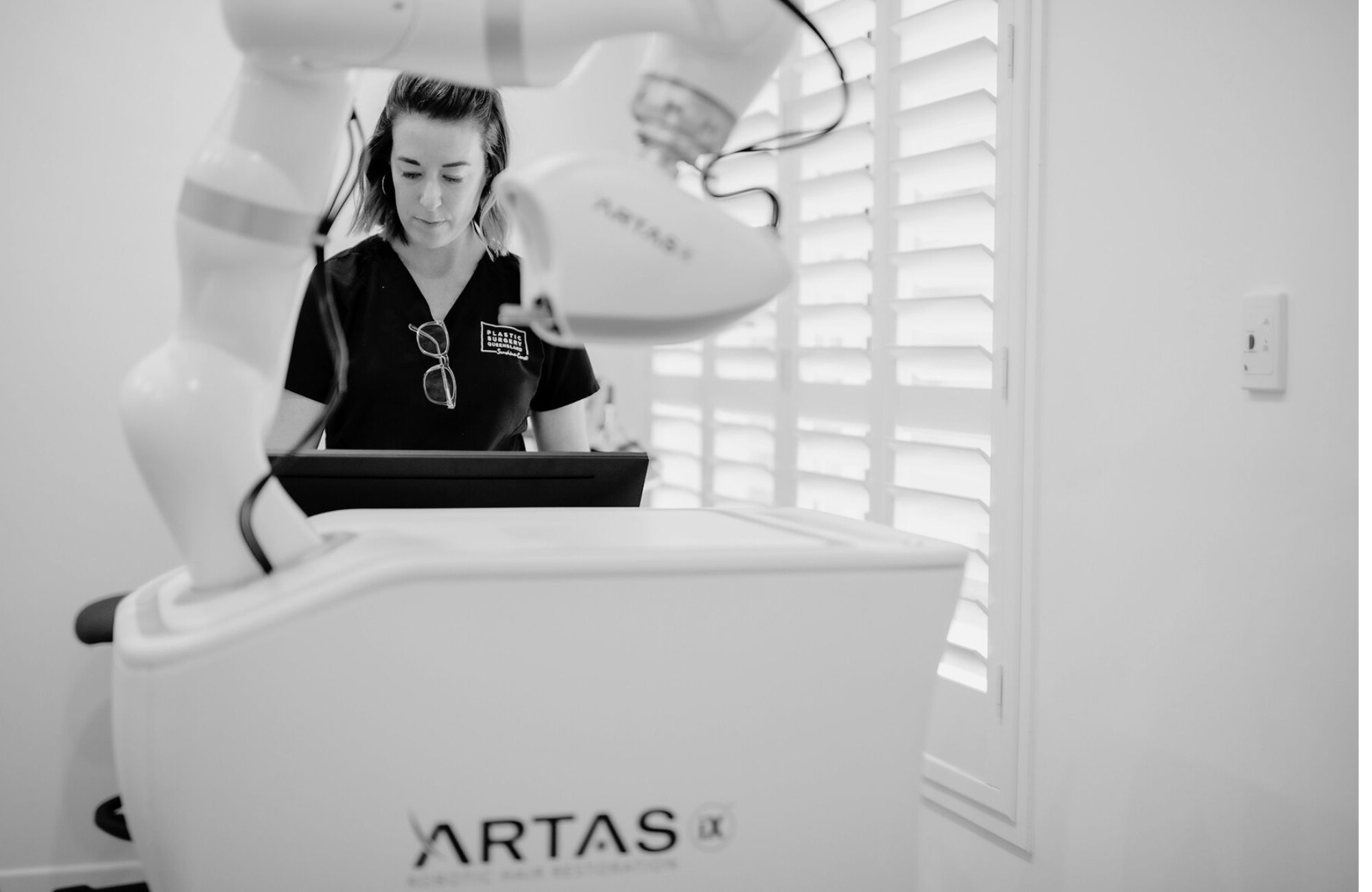
Modern FUE techniques use advanced technologies such as robotic assistance and precision micro-punch tools, reducing procedure time and enhancing accuracy. Because there’s no major incision or suturing involved, patients typically feel more comfortable with the process, both physically and psychologically.
Follicular Unit Extraction (FUE) represents the cutting edge of hair transplantation, offering patients a less invasive, scar-minimizing, and highly customizable solution. With faster recovery times, natural-looking results, and increased flexibility, it’s no surprise that FUE has become the preferred method for both surgeons and patients worldwide.
If you’re considering a hair transplant, consult a board-certified specialist to explore whether FUE is right for you. The journey to restored hair—and restored confidence—has never been more advanced.
Email Emily your enquires at hair@psqsc.com.au
In recent years, medical tourism has gained popularity, particularly for cosmetic procedures like hair transplantation. Countries such as Turkey, Thailand and other overseas countries are frequently advertised as affordable destinations for hair restoration. However, when it comes to your health, safety, and long-term results, choosing to have a hair transplant in Australia offers significant advantages that go far beyond the initial cost savings.
Here’s why undergoing a hair transplant in Australia, at Plastic Surgery Queensland is a smarter, safer choice.
1. No Hidden Costs or Travel Risks
While overseas clinics often promote lower procedure prices, many patients discover hidden costs for travel, accommodation, pre-op tests, medications, and revision procedures. Additionally, long-distance travel after surgery increases the risk of swelling, infection, or blood clots.
When you undergo treatment locally in Australia:
2. Higher Medical Standards and Regulation
Australia has one of the most rigorous healthcare systems in the world, with strict regulation of medical practitioners and clinic accreditation. Hair transplant procedures in Australia are typically performed by board-certified dermatologists, plastic surgeons, or hair restoration specialists—all of whom must meet national professional standards and adhere to ethical codes of conduct.
In contrast, while many overseas clinics operate legitimately, there is greater variability in training, oversight, and clinic hygiene standards in countries like Turkey and Thailand. In some cases, procedures are performed by unlicensed technicians with minimal medical supervision.
3. Continuity of Care and Post-Operative Support
A successful hair transplant doesn’t end when the procedure is over—follow-up care is essential to ensure proper healing, monitor progress, and address any concerns. Choosing an Australian clinic means you’ll have easy access to your surgeon and medical team both before and after the procedure.
Patients who travel overseas for surgery may face challenges such as:
With an Australian-based procedure, continuity of care is guaranteed, giving patients peace of mind.
4. Transparent Communication and Informed Decision-Making
Having a procedure performed in your home country ensures clear, direct communication in your native language. It also gives you time to meet with your doctor in person, discuss your goals in detail, and fully understand your options before committing.
When traveling abroad, language barriers, rushed consultations, and pressure to commit quickly can increase the risk of miscommunication or mismatched expectations.
5. Legal Protection and Patient Rights
Australia’s medical system provides patients with strong legal protections, including the ability to:
Patients treated overseas often have limited or no legal recourse if something goes wrong. In some cases, clinics may even be untraceable once a patient returns home.
5. Focus on Quality Over Quantity
Some overseas clinics are known for operating as “high-volume” centres, performing multiple procedures per day—often prioritising quantity over personalised care. In contrast, Australian clinics focus on quality, tailored treatments, and patient-centred care, offering a more thoughtful and individualised approach.
Investing in Safety, Quality, and Long-Term Results
While the lower cost of a hair transplant overseas may seem attractive, it often comes with significant medical, financial, and legal risks. By choosing a reputable Australian clinic, patients benefit from world-class care, professional accountability, comprehensive follow-up, no hidden costs or travel risks and peace of mind.
Your hair transplant is a long-term investment—not just in your appearance, but in your well-being. When it comes to something as personal and permanent as hair restoration, local expertise, trust, and safety should always come first.
Email Emily at hair@psqsc.com.au