
FOUR LOCATIONS ONE EXPERIENCED TEAM
Eyelid reductions are one of the most common plastic surgery operations. The aim of eyelid reduction surgery is to improve facial appearance and reduce the signs of ageing by treating:
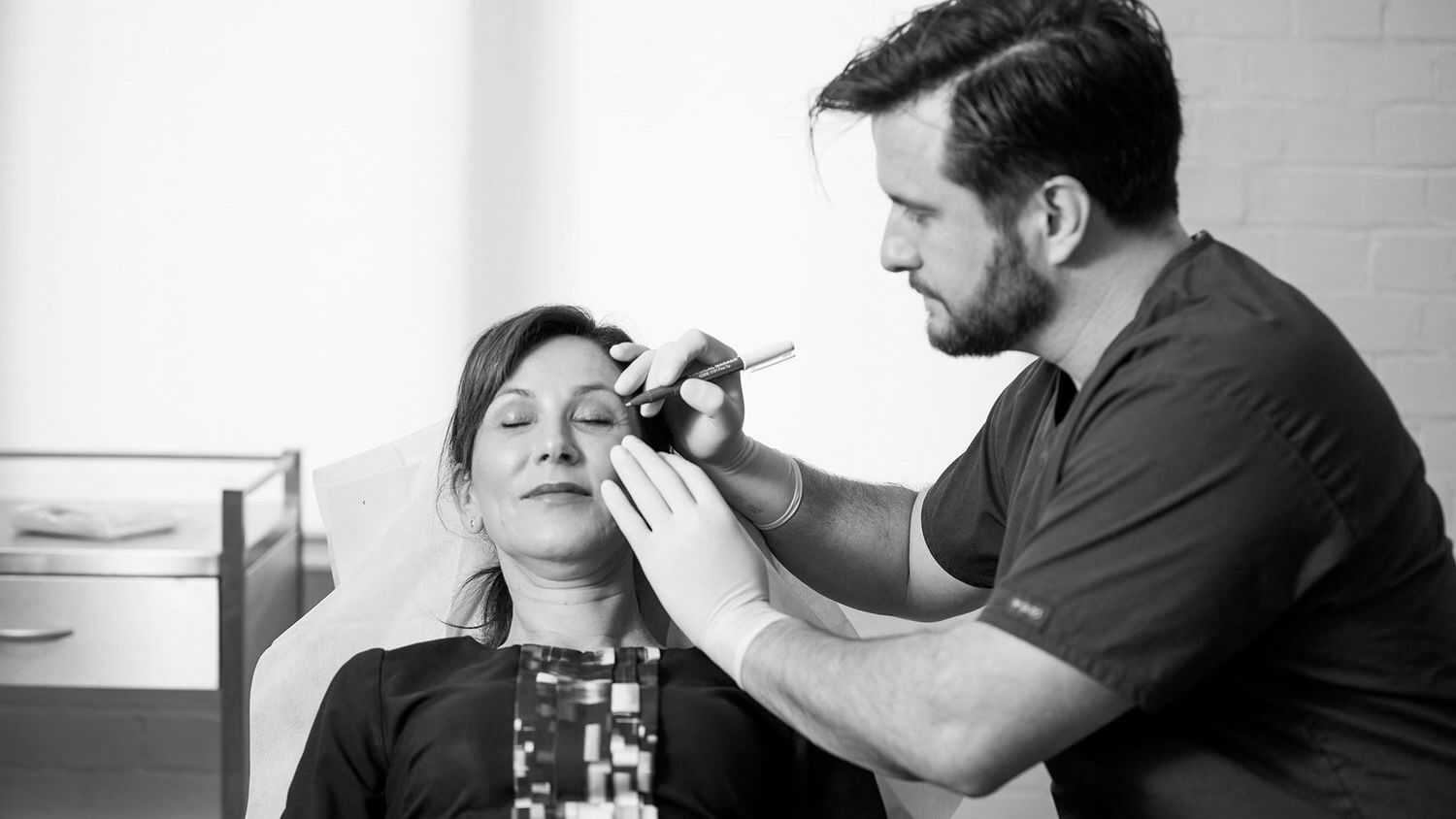
Blepharoplasty is eyelid reduction surgery. It may involve removing or repositioning excess skin and fatty tissue around the upper eyelids, lower eyelids, or both, depending on an individual treatment plan.
In some people, excess upper-eyelid skin may interfere with the visual field. Your surgeon can assess whether this may be relevant in your case and advise whether further testing or assessment is needed.
It can be performed on the upper eyelids, lower eyelids or both. Upper blepharoplasty commonly addresses loose upper-eyelid skin, while lower blepharoplasty may address under-eye bags, fatty tissue or loose lower-eyelid skin.
The length of surgery varies depending on the areas being treated and the complexity of the procedure. Your surgeon will provide an estimate based on your individual surgical plan.
Incisions for upper blepharoplasty are generally placed in the natural eyelid crease. Lower-eyelid incisions may be placed beneath the eyelashes or inside the eyelid, depending on the technique used. All surgery results in scars, though scars usually mature and fade over time.
Initial bruising and swelling are common and can take several weeks to settle. Healing and scar maturation continue over a longer period, and recovery differs between individuals. Your surgeon will advise when you can return to work, exercise, driving and other activities.
Most patients experience discomfort, tightness and swelling rather than severe pain. Your surgeon will discuss pain management and provide instructions for your recovery.
Blepharoplasty is not designed to treat every cause of dark circles. Dark circles can result from skin pigmentation, facial volume changes, shadowing, blood vessels and other factors. Your surgeon can advise whether eyelid surgery may address any component of your concern.
The skin and fatty tissue addressed during surgery do not simply return; however, the natural ageing process continues. Outcomes vary, and no specific result or longevity can be guaranteed.