

Plastic Surgery Queensland logo on a transparent background
PSQ logo

FOUR LOCATIONS ONE EXPERIENCED TEAM
GYNAECOMASTIA SURGERY (Man boobs)

Gynaecomastia, commonly known as "man boobs," is a condition where male breast tissue enlarges beyond normal size, creating a firm, rubbery mass around and behind the nipple. This is actually quite common and affects many men at various stages of life.

What is GYNAECOMASTIA
Surgery?

Gynaecomastia surgery is a treatment designed to reduce or remove excess breast tissue in men and restore a more masculine chest contour. The surgical approach typically involves two main techniques: liposuction to remove excess fat tissue and surgical excision to remove glandular tissue. Often, both techniques are combined to achieve optimal results.

Surgery is typically recommended for persistent or significant cases of gynaecomastia that don't resolve naturally, particularly when the condition causes physical discomfort or emotional distress for the patient.

The primary goal of gynaecomastia surgery is to create a flatter, more masculine chest appearance by addressing the enlarged breast tissue. The surgical approach is personalised and tailored to each patient based on whether the enlargement involves primarily glandular tissue, fat, or a combination of both, as well as the overall severity of the condition.
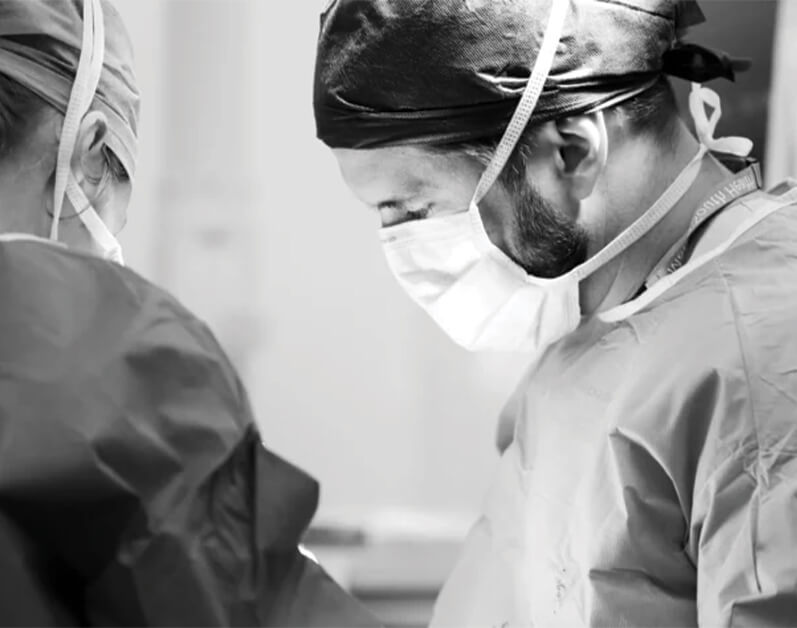
Leading surgeon performing

Your Guide to GYNAECOMASTIA surgery

If you are considering gynaecomastia surgery, scheduling a consultation is the first step to explore your options. During this consultation, you will receive a personalised assessment and discussion of the benefits and risks associated with the procedure. This ensures you receive the highest standard of care tailored to your unique needs.
Plastic Surgery Brisbane Queensland
Gynaecomastia:

Are You an Ideal Candidate?

You may be suitable for Gynaecomastia surgery if you have persistent enlarged breast tissue that hasn't responded to non-surgical treatments or lifestyle changes. You should be in good overall health with realistic expectations and be bothered by the physical or emotional impact of your condition. The procedure is ideal if you've completed puberty, have stable breast enlargement, and are committed to maintaining a healthy lifestyle post-surgery to preserve your results.

Before and after

All patients have consented to their images being published. These images are no guarantee of any individual surgical outcome, Individual results may vary. Any surgery or invasive procedure carries risks.

Plastic Surgery Queensland advocates the National Law and Australian Health Practitioner Regulation Agency
(AHPRA) guidelines that any surgical or invasive procedure carries risks. Before proceeding, you should seek a second opinion from an appropriately qualified health practitioner.

Interested in finding out more?

How it Works

1. REFERRAL

We require a GP referral for all surgical procedures. Please book in with your GP to discuss and obtain a referral.

2.CONSULTATION

The consultation process begins with a detailed evaluation of the extent of your gynaecomastia, discussion of your aesthetic goals, and development of a personalised surgical plan. During this assessment, the nature and severity of your condition is determined to decide whether liposuction, surgical excision, or a combination of both techniques will be most effective for addressing the excess tissue and contouring your chest.

If you are under the age of 18 years, please contact us directly to discuss your consultation process as it will differ to the process for adult patients.

3. THE PROCEDURE

Gynaecomastia surgery utilises either liposuction or surgical excision to achieve optimal results, with many cases requiring a combination of both techniques. Liposuction is used to remove excess fat from the breast area through small incisions, where a thin, flexible tube called a cannula is inserted to suction out unwanted fat, creating a flatter and more contoured chest. For cases involving significant glandular tissue, surgical excision is performed through slightly larger incisions to remove excess glandular tissue and, if necessary, reposition and reshape the areola for a more natural appearance. This combined approach allows for comprehensive treatment tailored to address both fatty and glandular tissue according to each patient's specific needs.

4. POST
PROCEDURE

Recovery from gynaecomastia surgery is typically straightforward, as the procedure is usually performed as day surgery with patients returning home the same day after a short monitoring period. The initial recovery phase involves managing mild discomfort with prescribed pain medication, while swelling and bruising are common but generally subside within a few weeks. Patients are advised to rest and avoid strenuous activities during the early stages to promote optimal healing.

A crucial part of aftercare is wearing a compression garment continuously for approximately six weeks following surgery. This garment helps support the chest area, minimise swelling, aid the healing process, and ensure the results are even and natural-looking. Detailed post-operative care instructions are provided, including surgical site care, discomfort management, and recognising signs of potential complications. Follow-up appointments are scheduled to monitor progress, remove stitches if needed, and address any concerns, ensuring a smooth recovery and optimal results.

RISKS AND COMPLICATIONS

Like all surgical procedures, gynaecomastia surgery carries some risks, though serious complications are uncommon. Potential risks include bleeding, swelling, infection, scarring, and temporary changes in sensation. Less common complications may include asymmetry, fluid accumulation, or the need for revision surgery. Your surgeon will discuss these risks during your consultation and provide guidance to minimise complications through proper pre and post-operative care.

FAQs

Medicare covers gynaecomastia surgery only if it's deemed medically necessary, not for cosmetic reasons. You must have chronic pain, significant breast tissue enlargement for over 12 months, and a GP referral to qualify for Medicare item numbers 31525 or 31526.

Recovery typically takes 4-6 weeks. Most patients return to office work within 1-2 weeks, can resume light exercise after 2 weeks, and return to full activities including upper body workouts after 4-6 weeks.

You can usually return to office-based work within 1-2 weeks, provided it's not physically demanding. For physically intensive jobs, you may need 2-4 weeks off work depending on your healing progress.

Common risks include bleeding, swelling, infection, scarring, and temporary changes in sensation. Less common complications may include asymmetry, fluid accumulation, or the need for revision surgery, though serious complications are rare.

You'll need to wear a compression garment continuously for approximately 4-6 weeks following surgery. This helps support the chest area, minimise swelling, and ensure optimal healing and results.

Subscribe

Subscribe to emails to hear more about our procedures, surgeons, after care and more.
BRISBANE
Suite 2.02
550 Stanley St
Mater Private Clinic
South Brisbane
QLD 4101
(07) 3844 6069
reception@psqld.com
SUNSHINE COAST
19/5 Innovation Parkway,
Birtinya
QLD 4575
(07) 5437 9333
info@psqsc.com.au
NOOSA
197 Weyba Road,
Noosaville
QLD 4566
(07) 5437 9333
info@psqsc.com.au
GOLD COAST
Shop 9/109 West Burleigh Rd
Burleigh Waters,
QLD 4220
(07) 3844 6069
reception@psqld.com
Plastic Surgery Queensland advocates the National Law and Australian Health Practitioner Regulation Agency (AHPRA) guidelines that any surgical or invasive procedure carries risks. Before proceeding, you should seek a second opinion from an appropriately qualified health practitioner.
© Copyright 07/12/2025 | All Rights Reserved | Plastic Surgery Queensland | Sitemap | SEO by DMB Digital