

Plastic Surgery Queensland logo on a transparent background
PSQ logo

FOUR LOCATIONS ONE EXPERIENCED TEAM
SKIN CANCER surgery

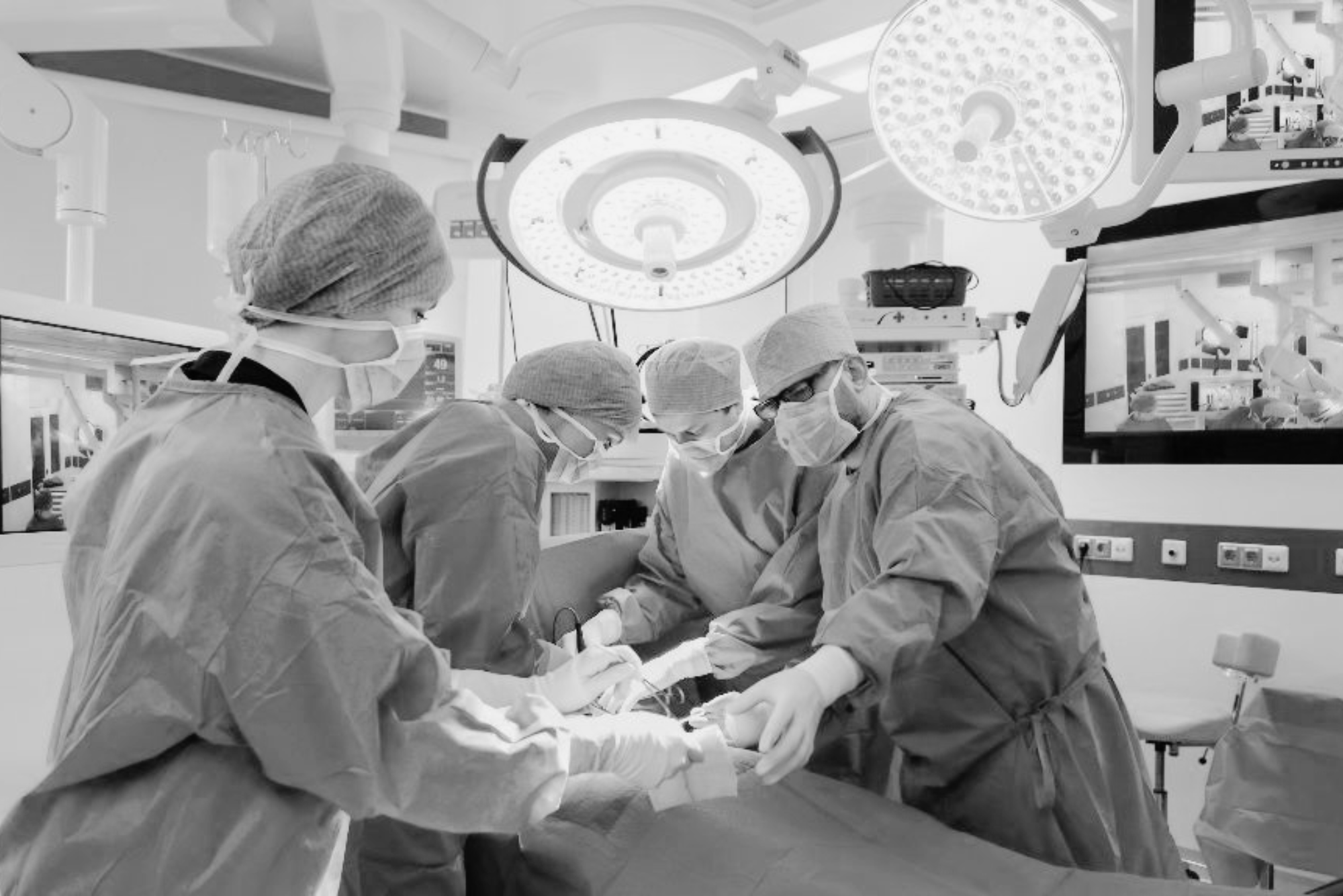
As skin cancer specialists, we treat common malignant skin lesions with a focus on melanoma surgery. Skin Cancer treatment involves the removal and reconstruction of the area to minimise the appearance of scarring, where possible.

What is SKIN CANCER?

Skin cancer is the uncontrolled growth of abnormal skin cells. It is the most common of all cancers. Australia has the highest incidence of skin cancer in the world; more than two-thirds of the Australian population will develop a skin cancer of some kind during their lives.

Skin cancer usually occurs in people who have been exposed to too much ultraviolet (UV) light from the sun. People in the higher risk category of developing skin cancer usually have:

- Fair skin and freckle easily
- Light-coloured hair and eyes
- A large number of moles, or moles of unusual size or shape
- A family history of skin cancer or a personal history of blistering sunburn
- Spent a lot of time working or playing outdoors
- Intense, year-round sun exposure.

This includes people who live closer to the equator, at a higher altitude, or in any place that gets intense sunshine
Dr Jay Wiper Specialist Plastic Surgeon Sunshine Coast

Your Guide to Skin Cancer Surgery

Skin cancer surgery involves removing a skin lesion that has been diagnosed as cancerous, or is suspected of being cancerous, and sending the tissue for laboratory examination where required. The aim is to remove the lesion with an appropriate margin while planning the repair carefully according to the location, size and type of lesion.

At Plastic Surgery Queensland, we treat common malignant skin lesions, including basal cell carcinoma, squamous cell carcinoma and melanoma. Our surgeons have particular experience in managing lesions that may require more complex excision or reconstruction, especially those affecting cosmetically or functionally important areas such as the face, scalp, ears, nose, lips, eyelids, hands and lower limbs.

Your journey generally begins with a referral from your GP, dermatologist or skin cancer doctor. Your Specialist Plastic Surgeon will review the referral, pathology results, clinical photographs, imaging and details of any previous biopsy or treatment, where available.

During consultation, your surgeon will examine the affected area and discuss the recommended treatment approach. Depending on your circumstances, this may involve an excision with direct closure, a skin graft, a local flap or another reconstructive technique. The appropriate method depends on the type of lesion, its size and location, the amount of surrounding tissue available, and the need to preserve function where possible.

Some procedures can be performed in a procedure room using local anaesthetic, while others may require treatment in hospital under sedation or general anaesthetic. Your surgeon will explain the proposed procedure, likely scar placement, recovery requirements, potential risks, alternatives and the need for follow-up before you decide whether to proceed.

Skin cancer surgery is individual. While every effort is made to plan an appropriate excision and reconstruction, the final treatment plan can sometimes change once pathology results are available or after the lesion has been removed. Further surgery, wider excision or referral for additional treatment may occasionally be required.
Plastic Surgery Brisbane Queensland
Skin Cancer Surgery:

Are You an Ideal Candidate?

A skin cancer surgery consultation may be appropriate if you have a confirmed skin cancer, a suspicious skin lesion, or have been referred for assessment or treatment following a biopsy.

You may be suitable to arrange a consultation if you:

  • Have a biopsy-confirmed basal cell carcinoma, squamous cell carcinoma, melanoma or another skin cancer
  • Have been referred by your GP, dermatologist or skin cancer doctor for excision or reconstruction
  • Have a suspicious lesion requiring specialist assessment or further management
  • Require treatment for a lesion in an area where reconstruction may be needed, such as the face, scalp, nose, ears, lips, eyelids, hands or lower limbs
  • Have previously had a lesion removed and require further excision following pathology results
  • Have had prior treatment for skin cancer and require review of a recurrent or new lesion
  • Are able to provide relevant medical information, including previous biopsies, pathology results, medications, allergies and past treatment
  • Are in suitable health for the recommended procedure and anaesthetic approach

Suitability and the type of treatment required can only be determined after an individual assessment. Your surgeon will consider the type, location and size of the lesion; pathology findings; previous treatment; medical history; medications, including blood-thinning medication; immune status; smoking or nicotine use; and your individual healing risks.

If you notice a new, changing, bleeding, crusting or non-healing skin lesion, it is important to arrange assessment with a GP or appropriately qualified health practitioner promptly. This page does not replace medical advice, skin examination or diagnosis.

During your consultation, your surgeon may recommend further biopsy, imaging, discussion with another specialist, additional pathology review, a different treatment approach or referral for other cancer care. A consultation does not commit you to surgery.

Interested in finding out more?

FAQs

There are three main types of skin cancer:

  • Basal cell carcinoma

  • Squamous cell carcinoma

  • Melanoma


The ideal preparation is to stay fit and healthy by maintaining a good diet, with good sleep, minimising alcohol intake and not smoking. 

Always ask your surgeon about their experience. We recommend that you ensure your plastic surgeon has undertaken over 12 years of post-medical specialist training. It’s also recommended to always seek second opinions if you have concerns. Ultimately you should feel comfortable with the surgeon you are seeing. 

Skin cancer needs to be treated promptly as it can be just as life threatening as any other cancer if left untreated. The danger of skin cancer is that it can spread (metastasise) to other parts of the body if treatment is not undertaken. Melanoma and all other skin lesions can be treated both in hospital and on-site in our procedure room.

Skin cancer treatments are generally performed after a referral from your GP or skin cancer clinic doctor. Please see your GP if you are concerned about a mole or area of skin and are seeking confirmation of skin cancer. 

We require a GP referral for all surgical procedures. Please book in with your GP to discuss and obtain a referral.

BRISBANE
Suite 2.02
550 Stanley St
Mater Private Clinic
South Brisbane
QLD 4101
(07) 3844 6069
reception@psqld.com
SUNSHINE COAST
19/5 Innovation Parkway,
Birtinya
QLD 4575
(07) 5437 9333
info@psqsc.com.au
NOOSA
197 Weyba Road,
Noosaville
QLD 4566
(07) 5437 9333
info@psqsc.com.au
GOLD COAST
Shop 9/109 West Burleigh Rd
Burleigh Waters,
QLD 4220
(07) 3844 6069
reception@psqld.com
Plastic Surgery Queensland advocates the National Law and Australian Health Practitioner Regulation Agency (AHPRA) guidelines that any surgical or invasive procedure carries risks. Before proceeding, you should seek a second opinion from an appropriately qualified health practitioner.
© Copyright 06/08/2026 | All Rights Reserved | Plastic Surgery Queensland | Sitemap | WEB/SEO by Social Republyk